
At Peploe-Williams Academy, we believe that musical theatre is not just an art form – it’s a journey of personal growth that offers young performers the chance to develop lifelong skills. Drawing on the inspiration of legendary figures like Sir Cameron Mackintosh and Nick Hytner, we understand that musical theatre goes beyond the stage, transforming young lives through performance, creativity, and discipline.
In this article, we explore why musical theatre is a powerful and transformational direction for children and young teens, and how nutrition plays a crucial role in their success.
One — Building Confidence & Self-Esteem
One of the most powerful benefits of musical theatre training is the confidence it instills in young performers. As children and teens step onto the stage, they overcome the fear of performing in front of an audience, gaining valuable public speaking skills and self-assurance.
At Peploe-Williams Academy, we create a nurturing environment where students are encouraged to express themselves and take risks. This support helps them build confidence that extends beyond the theatre and into their everyday lives—whether it’s in school, social settings, or future careers.
Performing arts legends like Nick Hytner have long emphasized that theatre helps performers become more comfortable in their own skin, which is especially important during the formative years of childhood and adolescence.
Two — Developing Communication Skills
Musical theatre isn’t just about singing, dancing, and acting—it’s about storytelling. The art of telling a story through music, movement, and words helps children enhance their communication skills.
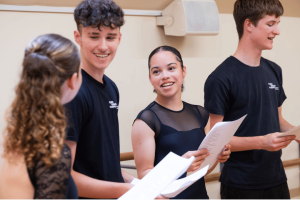
Through their training, young actors learn to express emotions, convey meaning through body language, and communicate clearly with their audience. These essential skills are at the core of Peploe-Williams Academy’s curriculum, where children and teens are taught how to listen, articulate, and collaborate.
Musical theatre demands teamwork and the ability to communicate effectively with fellow performers, helping students learn empathy and the importance of cooperation.
Three — Enhancing Creativity & Imagination
Musical theatre unlocks a world of creativity, encouraging students to dive into new characters, settings, and emotions. Young performers have the chance to explore their own artistic voices through improvisation, character development, and interpretation of music and lyrics.
This creative process, driven by their own imaginations, allows them to take ownership of their performances and explore different perspectives.
At Peploe-Williams Academy, we follow the philosophy of Sir Cameron Mackintosh, who has long celebrated the power of creativity in transforming the ordinary into the extraordinary. Our students are encouraged to take risks and think outside the box, as creativity is essential not only for their success in musical theatre but for life as a whole.
Four — Improving Social Skills & Teamwork
Performing in a musical theatre production is the ultimate team effort. From rehearsals to final performances, students must collaborate with their peers, respect differing opinions, and work together to create a cohesive performance.
Musical theatre teaches the importance of teamwork, communication, and collaboration, which are critical social skills for children and teens.
At Peploe-Williams Academy, we place a strong emphasis on creating an inclusive, supportive environment where students feel comfortable giving and receiving feedback. By doing so, they learn empathy, patience, and respect for their fellow performers—skills that will benefit them throughout their lives.
Five — Boosting Physical Health & Fitness
Musical theatre is a physically demanding art form. Whether it’s learning choreography, dancing in a group, or maintaining stamina for long rehearsals and performances, musical theatre training requires strength, flexibility, and endurance.
Through regular dance practice and movement exercises, students at Peploe-Williams Academy improve their physical fitness, coordination, and body awareness.
Dance also serves as a powerful outlet for expression, allowing children to channel their emotions into movement. This physical activity boosts not only their health but also their overall sense of well-being.
Six — The Role of Nutrition in Performance
As any professional performer knows, nutrition is key to maintaining the physical and mental energy needed to excel in musical theatre. Sir Cameron Mackintosh famously emphasized that performers need to treat their bodies like finely tuned instruments, and that includes fueling them with the right nutrients.
For children and young teens in musical theatre, proper nutrition supports their growing bodies, boosts concentration, and enhances stamina. At Peploe-Williams Academy, we educate our students about the importance of eating a balanced diet, rich in proteins, vitamins, and minerals.
• Healthy foods such as fruits, vegetables, lean proteins, and whole grains help sustain energy levels during long rehearsals and performances.
• Hydration is also essential, as it ensures vocal clarity and helps maintain focus during physically and mentally challenging routines.
By teaching students to prioritize their nutrition, we help them understand the connection between a healthy body and a successful performance. Good food is not only imperative for physical endurance but also for mental clarity and emotional balance, which are critical in an art form that demands high energy and focus.
Seven — Transforming Lives Through Musical Theatre
Ultimately, musical theatre is a transformational journey for young performers. It challenges them to grow, adapt, and thrive both on and off the stage.
Through confidence-building, creative expression, teamwork, and a focus on physical and mental well-being, musical theatre shapes children into resilient, empathetic, and empowered individuals.
At Peploe-Williams Academy, we are passionate about guiding young performers on this journey, providing them with the tools they need to succeed not only in the world of musical theatre but also in life.
Our training goes beyond performance, focusing on the holistic development of our students—mind, body, and spirit.
Through the guidance of experienced teachers and a strong emphasis on creativity, communication, physical health, and nutrition, musical theatre truly becomes a transformational direction for children and young teens.
Musical theatre classes offer children a powerful blend of creativity, confidence, and life skills that extend far beyond the stage. At PWAcademy our musical theatre program provides a fun, supportive environment where kids can explore singing, dancing, and acting while building self-esteem and teamwork. Whether your child is discovering their passion or already loves to perform, now is the perfect time to take the next step. Book your trial class today and let your child experience the magic of musical theatre at Peploe-Williams Academy.