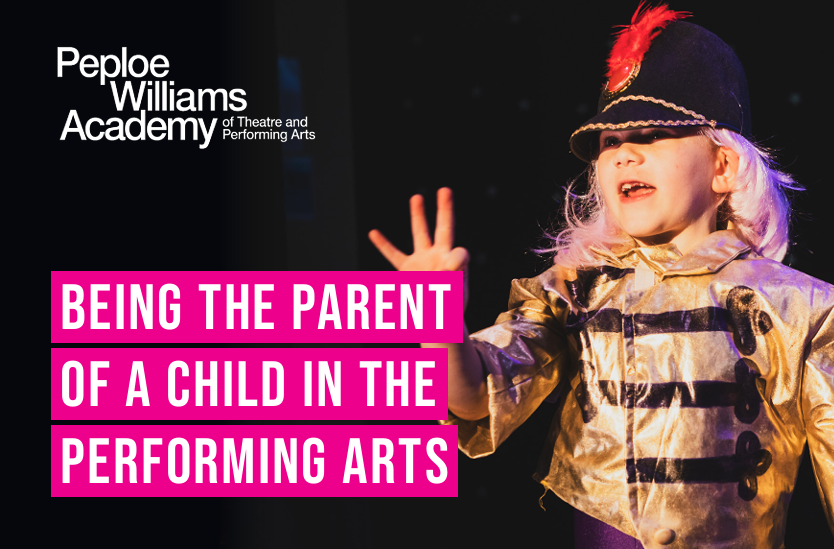
They love doing it, you love watching them do it every step of the journey, from their first ever ballet class, to that first professional audition. Being the parent of a child who is growing into their performing arts talent is not an easy job. It’s a massive commitment for your child, for you, and for the whole family, not just financially, but in time, and mentally and emotionally as well. We know, because we’ve been there, and we know lots of others who have been there too. Here are some top strategies for being the best support you can be to your child and supporting yourself and your family throughout as well.

COMMON SOURCES OF ANXIETY
As your child begins to attend a range of classes and their talent develops, their desire for a career in the performing arts will probably develop as well. This is when parents typically start to feel some anxiety about the future, both short and long term. Proper training in the performing arts takes a huge commitment to weekly classes and practice, which often leaves little room for other extracurricular activities or social occasions.
You may be concerned that this is an unconventional career path for your child. Will this make them appear different to their peers? What will their performing arts peers be like, and what new pressures will they face in this group? Is a career in the arts going to sustain a viable income for them as they mature into adulthood?
Then there’s the emotional turmoil. A performing arts education is a rollercoaster of successes and failures, pre-performance nerves, and post-performance pride. You may find yourself nagging your child to practise between sessions. You may discover unexpected feelings of competitiveness towards the other children at the stage school they attend, and at their auditions. You may even be conflicted: proud of their talent, but resentful of the amounts of time and money it takes to invest in classes, rehearsals, costumes and performances. Some parents also feel disappointment. Perhaps their child doesn’t live up to the potential they believe they possess, or perhaps, a year or two down the line, their child wants to give up on the performing arts altogether.
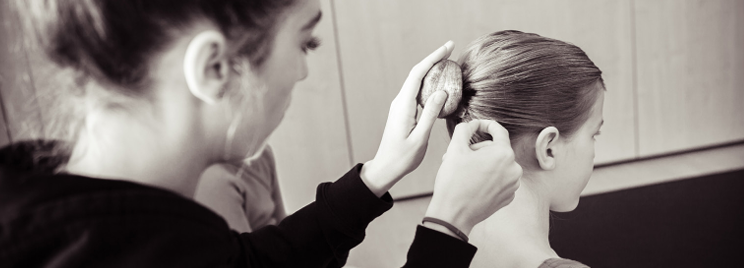
Like any aspect of parenting, the two best courses of action are these: firstly, remaining attuned to what your child needs at all times; and secondly, seeking advice from those with experience.
Parents support their children best by trusting their instinct, while also recognising if their own hopes and fears are driving their decisions, rather than what’s best for the child. Often, they are likely to be the same thing, but occasionally, a parent’s hopes for the future may not match with the best interests of the child, just as their fears can inhibit what they will permit their child to do.

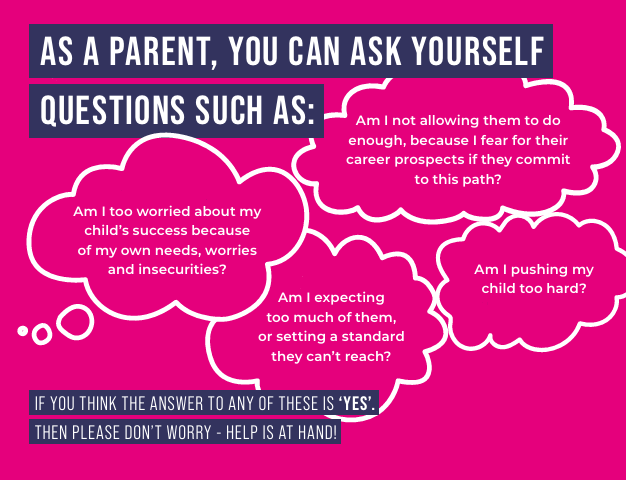
AS WE SAID BEFORE, WE’VE BEEN THERE OURSELVES – AS CHILDREN AND AS PARENTS – AND WE KNOW WHAT YOU’RE GOING THROUGH.
We have seen everything in our time teaching, from amazing, positive success stories to ones which are devastatingly tragic.
We are passionate about developing and guiding your child in their performing arts career, and you are a vital part of that. We know that happy parents can make all the difference in a child’s success or failure, and if you have any concerns or worries about any aspect of their current education, or future career, then we are more than happy to listen, and to share our experiences to help you and your child on your journey.
We strongly believe that knowing and understanding your own feelings can go a long way towards supporting your child. Once you are aware of your own reactions, you can support your child with confidence and make the right decisions for their future artistic career.
Come and try our classes, and meet our fantastic team of teachers. They are passionate about supporting your child and you on this difficult, but ultimately wonderful, journey to success.