If you’re reading this, you may already be thinking about giving your child the gift of performing arts training — whether it’s dance, acting, musical theatre or a blend of all three. You may also be wondering what the right kind of training looks like. In today’s world, there is a lot of choice out there. Many parents find it difficult to navigate between “just for fun” classes, casual after-school clubs, and professional training schools. If you’ve ever wondered what makes a training academy like Peploe-Williams different — and why that difference matters — this article will help.
IT’S NOT JUST A CLASS. IT’S TRAINING.
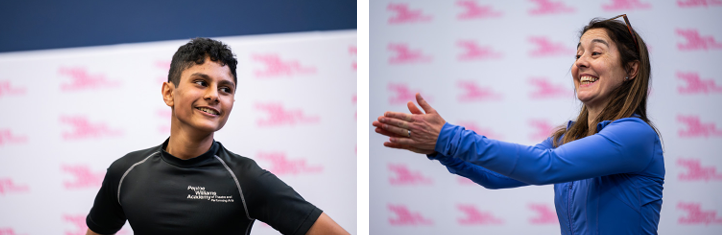
At Peploe-Williams Academy (PWA), we are not a recreational school. We are a training school. There’s absolutely a place for fun and friendship in the performing arts — and at PWA, we love seeing children light up with joy. But that joy comes from achievement — from building skills, gaining confidence, and being part of something bigger than themselves.
Correct training — delivered by highly experienced professionals — is what makes that happen.
I’ve spent most of my life performing in London’s West End and beyond, learning under the best (Sir Cameron Mackintosh, for example), and for the past 25+ years, I’ve dedicated myself to bringing that level of training to children and young people aged 3 to 18 here in Buckinghamshire. Our mission is simple: to provide exceptional performing arts training in a supportive, family-oriented environment, preparing young people to thrive on stage — and in life.
WHY THE RIGHT KIND OF TRAINING MATTERS
Performing arts training is about so much more than learning steps, lines, or songs. It is a discipline that nurtures life skills:
- Confidence
- Focus
- Resilience
- Self-expression
- Leadership
- Teamwork
- Emotional intelligence
- Respect for others
Children who train correctly from an early age learn how to work hard, persevere, and take pride in their progress. They learn how to listen, take feedback, improve, and build trust in their teachers and peers.
Sadly, not all schools prioritise this. Too many are focused only on having “fun” — or chasing social media likes. This might seem harmless when your child is young, but it can be detrimental if your child develops a love for performing and later finds they lack the technical foundation or the right mindset to progress.
At PWA, we teach children how to train — and that training sets them up for life, whether they go on to professional stages or simply want to be the best version of themselves.
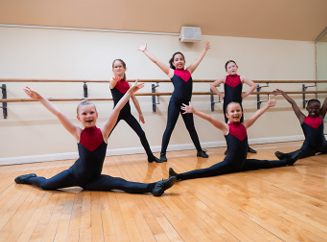
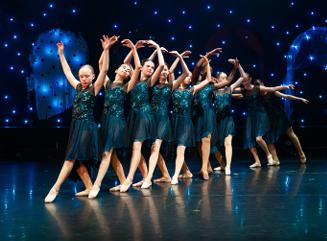
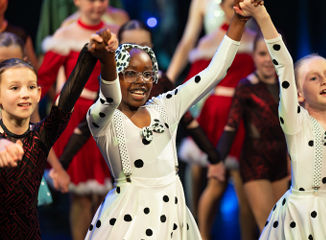
WHAT MAKES A TRAINING ACADEMY DIFFERENT?
There’s a world of difference between a training academy and a casual, recreational club. Here’s what parents should know:
- Professional Expectations – We expect students to arrive prepared, on time, and in the correct uniform — not to be strict for the sake of it, but because presentation, punctuality, and readiness are part of being a performer. Respecting the studio space and the teacher is vital — as it would be in any professional setting.
- Discipline and Focus – Our classes are not casual drop-ins. They require commitment, focus, and discipline. Talking in class, arriving late, or treating class as a play-date is not the PWA way. We teach children to take pride in their learning.
- Parent Partnership – We deeply value parent support — but we also need parents to trust the professional expertise of our teachers. Parents should support the school’s methods, encourage good habits at home, and avoid interfering with classroom logistics or teacher decision-making. The best results happen when parents and teachers work together.
- No Short-Cuts to Success – We don’t believe in pushing children into parts or performances they’re not ready for — this can damage their confidence. Instead, we take a longterm view: the more training a child does, the more opportunities they will naturally earn. Every child will shine when the time is right for them.
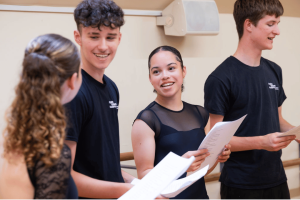
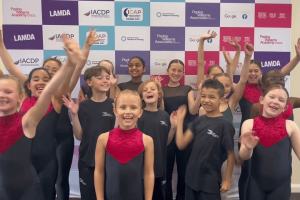
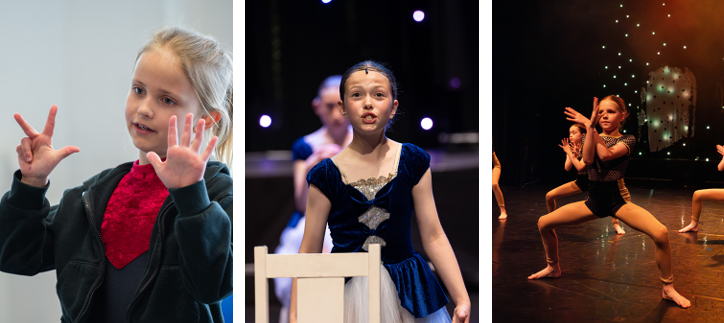
- A True Community of Learning – At PWA, older students mentor younger ones; children of all backgrounds work together as an ensemble. Shows are about collective excellence, not individual “star parts.” This develops humility, empathy, and team spirit.
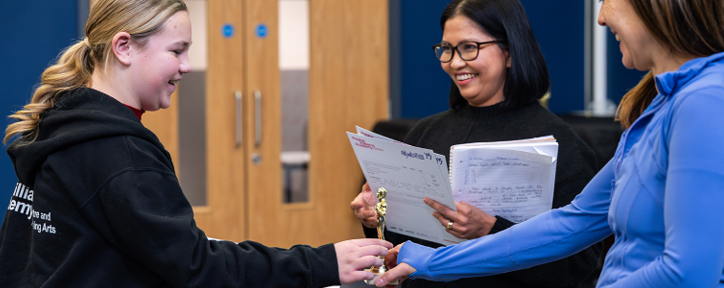
WHY OUR APPROACH WORKS
Many of our graduates go on to West End careers, professional drama schools, or university performing arts courses. Just as importantly, we see our students grow into poised, resilient young adults, equipped with life skills that will serve them in any career.
In fact, academic research increasingly shows that performing arts training supports:
- Improved academic achievement
- Enhanced emotional intelligence
- Stronger communication skills
- Leadership and teamwork abilities
- Stress resilience and well-being
And, as many of our parents will tell you — children enjoy it more when they’re challenged, progressing, and proud of what they’ve achieved.
A FINAL WORD FOR PARENTS & WIDER COMMUNITY
If you’re considering enrolling your child in musical theatre, acting, or dance — or moving from a recreational club to a training academy — here’s my best advice:
Look for a school that values discipline, professionalism, and proper technique. Look for teachers with professional backgrounds and a clear training philosophy. Most of all, look for a school where your child is treated with care and high expectations — and where you, as a parent, are welcomed as a partner in their journey.
At Peploe-Williams Academy, that is what we offer:
- Exceptional training
- A nurturing environment
- A clear path for progress
- A respectful partnership with families
If that sounds like the kind of performing arts education you want for your child — from ages 3 to 18 — I’d love to welcome you for a trial class.
Come and see what professional training can do for your child’s confidence, skills, Visit www.pwacademy.com.
Warmest wishes,
Emma Peploe-Williams
Principal, Peploe-Williams Academy